Historical Significance:
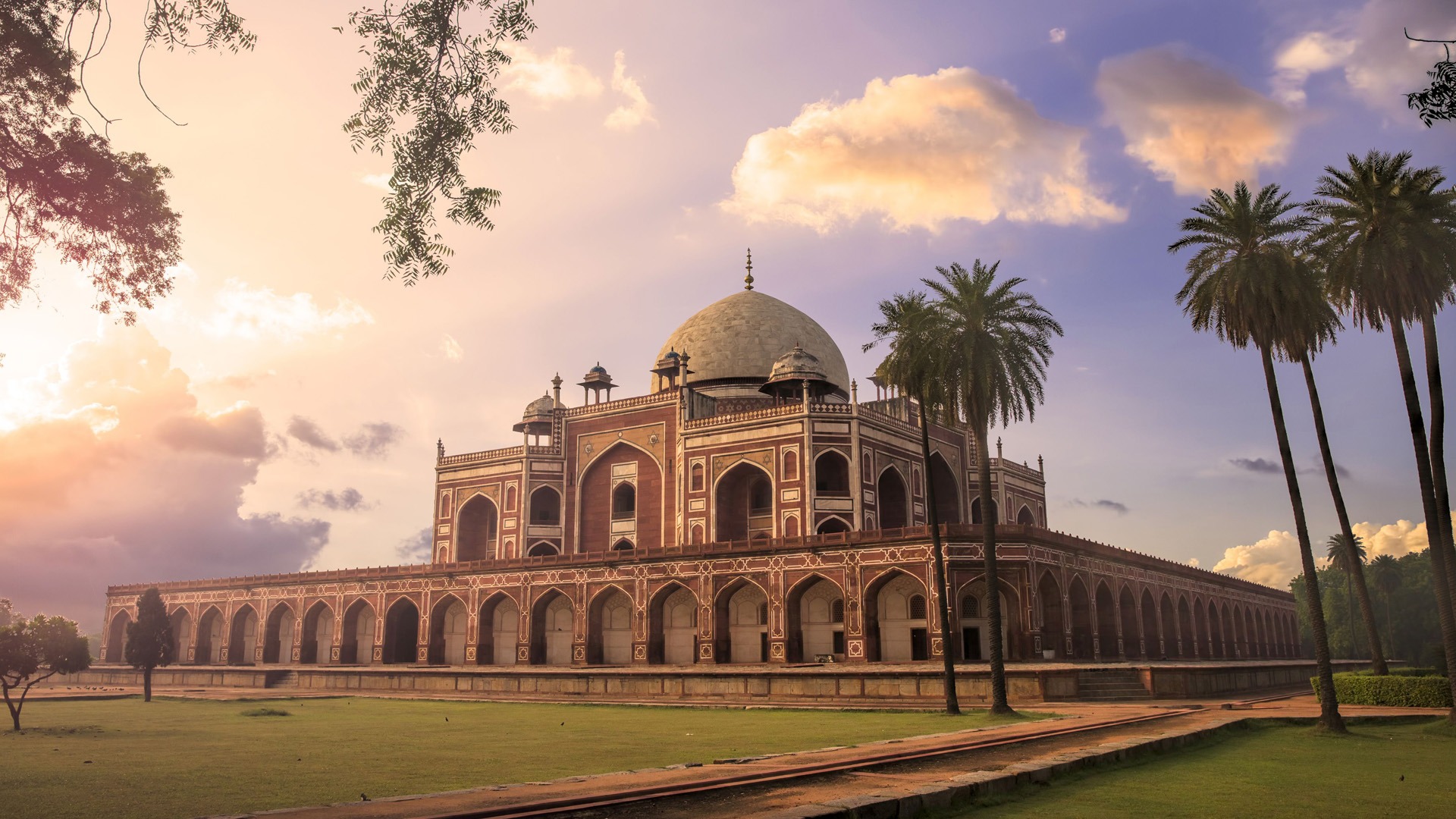
Often referred to as the precursor to the Taj Mahal, Humayun’s Tomb was built by Emperor Humayun’s grieving widow, Empress Bega Begum, in 1570. It symbolizes the love and loss of an emperor, while showcasing the beauty and finesse of Mughal architecture.
Architectural Wonder:
Set in serene gardens, this UNESCO World Heritage Site embodies Persian influences and Mughal artistry. The tomb’s central dome, perfectly proportioned arches, and intricate marble inlay work leave visitors awestruck. It was the first garden-tomb built in India, setting a precedent for Mughal royal burials.
Why Visit?
Spend some quiet moments exploring the peaceful Charbagh gardens around the tomb. Early morning visits offer tranquility and spectacular photography opportunities. As you walk under the grand arches and along water channels, you’ll feel transported to another time.


No comments:
Post a Comment