Tuesday, April 15, 2025

Discovering Delhi: Four Heritage Sites That Tell India's Story

Beyond Stone and Brick: The Living History of Delhi


Delhi isn't just India’s capital; it's a living museum. Each corner of this bustling city is steeped in centuries of history—every monument whispering tales of emperors, battles, art, culture, and timeless architecture. If you're a traveler or a history enthusiast, Delhi is nothing short of paradise. Let's journey through four of Delhi’s most captivating heritage sites, exploring their histories, secrets, and the unique experiences they offer.

These heritage sites are more than just structures. They are living narratives, preserving countless stories within their walls. Walking through them feels like flipping the pages of a vibrant history book.

But perhaps their greatest magic lies in their connection to Delhi’s present. Local life thrives around these monuments—whether it’s the chatter of street vendors near Red Fort, families picnicking at Humayun’s Tomb, children playing near Qutub Minar, or devotees at Jama Masjid. The past isn't locked away here; it breathes and blends seamlessly with daily life.

Visiting heritage sites in Delhi is not just sightseeing—it’s stepping into a cultural continuum. Each monument stands as a reminder of human creativity, ambition, spirituality, and resilience.

Whether you’re tracing your fingers along centuries-old carvings or quietly reflecting under grand arches, Delhi’s heritage offers something profound. It reminds us that while civilizations rise and fall, stories endure, forever etched into stone and spirit.

So, the next time you're in Delhi, take the time to walk slowly, look deeply, and listen carefully—each heritage site has its tale, waiting patiently to be told.

Qutub Minar: Standing Tall Through the Ages


Historical Significance:
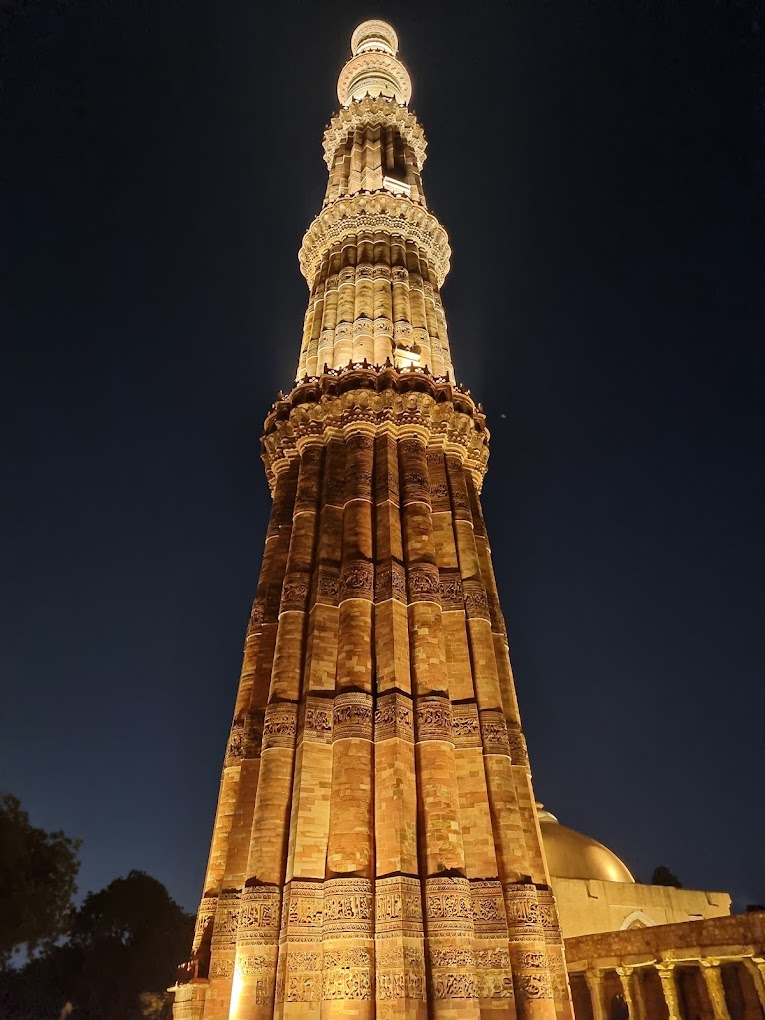
Rising 73 meters above Delhi, Qutub Minar is one of India's most iconic structures. Built by Qutb-ud-din Aibak in 1193 as a victory tower, it marked the beginning of Muslim rule in India. Later rulers like Iltutmish and Firoz Shah Tughlaq extended and enhanced this marvel, each adding their architectural stamp.

Architectural Wonder:
The minaret, constructed from red sandstone and marble, boasts intricate carvings, inscriptions from the Quran, and stunning calligraphy that adorn its walls. Its five distinct storeys showcase the evolution of Indo-Islamic architecture.

Why Visit?
Strolling around the complex, you'll also discover the Iron Pillar, a rust-resistant marvel, and the ruins of the Quwwat-ul-Islam mosque, India’s oldest surviving mosque. Visiting at sunset offers a magical experience as the monument glows in hues of orange and gold.

Humayun’s Tomb: Where Elegance Meets Eternity


Historical Significance:
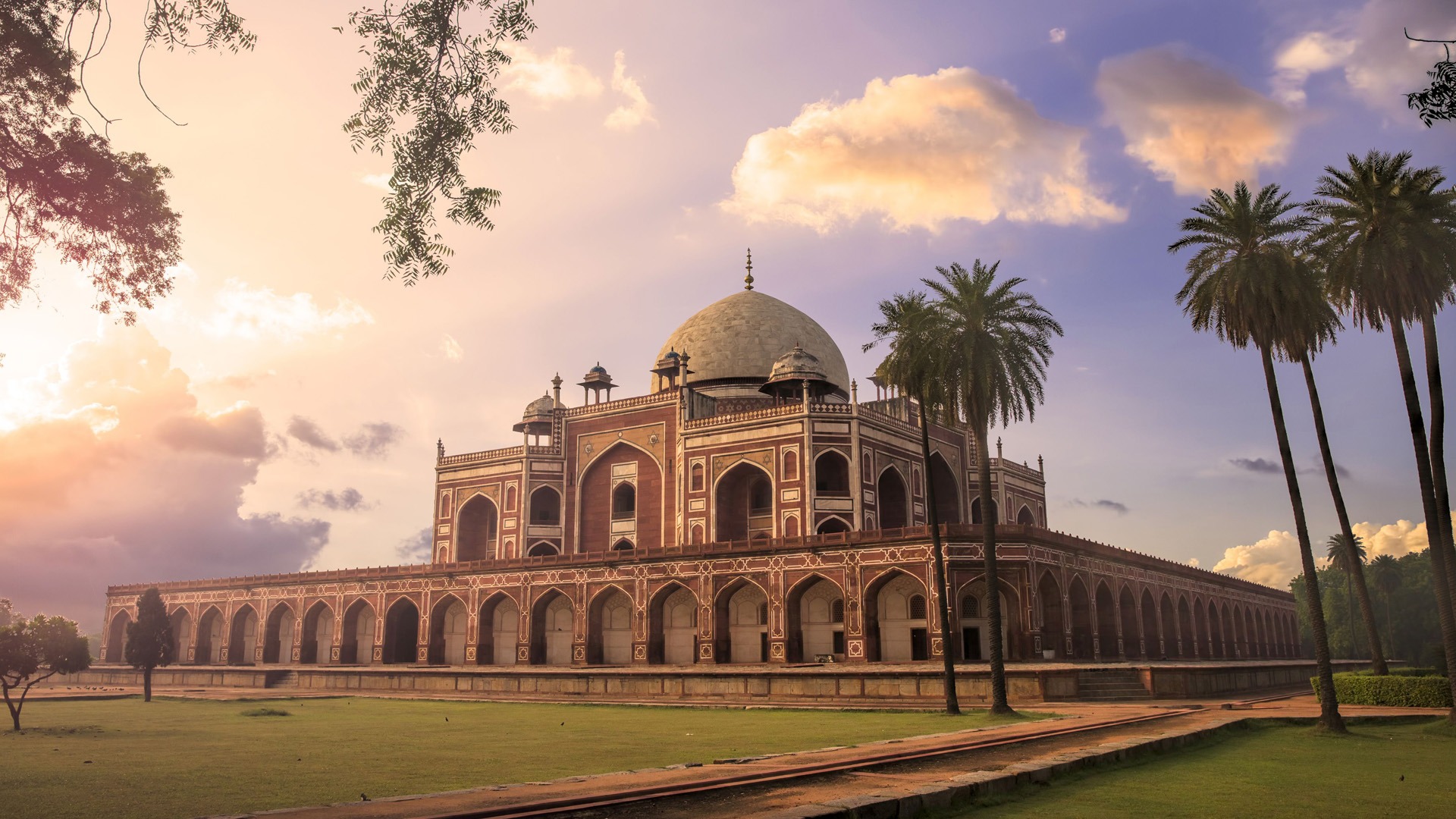
Often referred to as the precursor to the Taj Mahal, Humayun’s Tomb was built by Emperor Humayun’s grieving widow, Empress Bega Begum, in 1570. It symbolizes the love and loss of an emperor, while showcasing the beauty and finesse of Mughal architecture.

Architectural Wonder:
Set in serene gardens, this UNESCO World Heritage Site embodies Persian influences and Mughal artistry. The tomb’s central dome, perfectly proportioned arches, and intricate marble inlay work leave visitors awestruck. It was the first garden-tomb built in India, setting a precedent for Mughal royal burials.

Why Visit?
Spend some quiet moments exploring the peaceful Charbagh gardens around the tomb. Early morning visits offer tranquility and spectacular photography opportunities. As you walk under the grand arches and along water channels, you’ll feel transported to another time.


Red Fort: Echoes of a Glorious Past


Historical Significance:
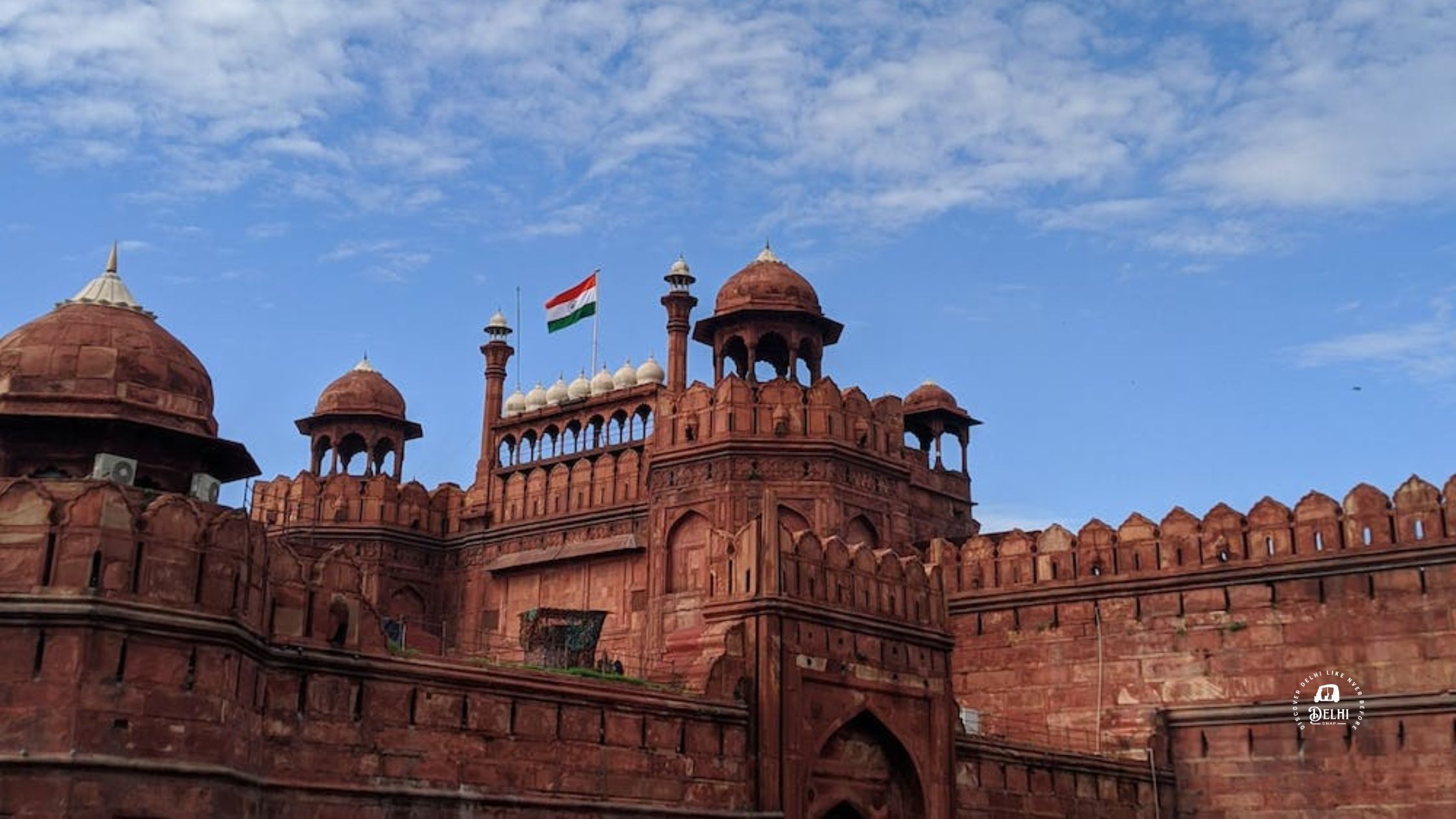
Constructed by Mughal Emperor Shah Jahan in 1648, the Red Fort (Lal Qila) symbolizes the pinnacle of Mughal grandeur. It’s here that India's first Prime Minister, Jawaharlal Nehru, raised the national flag post-independence—a tradition that continues every year.

Architectural Wonder:
Made from vibrant red sandstone, the fort complex comprises royal palaces, audience halls like Diwan-i-Aam and Diwan-i-Khas, private chambers, lush gardens, and intricate marble work. The fort represents a blend of Persian, Timurid, and Indian architectural styles.

Why Visit?
As you explore the sprawling grounds, the intricate designs on walls and ceilings reflect the meticulous craftsmanship of that era. Every evening, a stunning sound-and-light show narrates India's history through the fort's perspective, immersing visitors in centuries of glory and struggle.

Jama Masjid: A Blend of Devotion and Grandeur


Historical Significance:
Built by Emperor Shah Jahan between 1650 and 1656, Jama Masjid is India's largest mosque. It stands as a testament to Delhi’s rich cultural diversity and religious harmony, as thousands gather here daily for prayers, especially on Fridays and festivals.

Architectural Wonder:
With its massive courtyard capable of holding over 25,000 worshippers, the Jama Masjid is an architectural masterpiece. The structure is crafted from red sandstone and white marble, featuring towering minarets, imposing domes, and beautifully inscribed arches.

Why Visit?
Climb the mosque’s southern minaret for breathtaking panoramic views of Old Delhi. The bustling streets below, filled with spice markets, street-food stalls, and the vibrant chaos of Chandni Chowk, offer an unforgettable contrast. Visiting Jama Masjid during Eid is particularly special, as the mosque brims with spiritual fervor and communal harmony.


Discovering Delhi: Four Heritage Sites That Tell India's Story

Beyond Stone and Brick: The Living History of Delhi Delhi isn't just India’s capital; it's a living museum. Each corner of this bust...